2-Day LASEK Recovery Timeline: Day-by-Day Healing Process
2-Day LASEK Recovery Timeline: Day-by-Day Healing Process
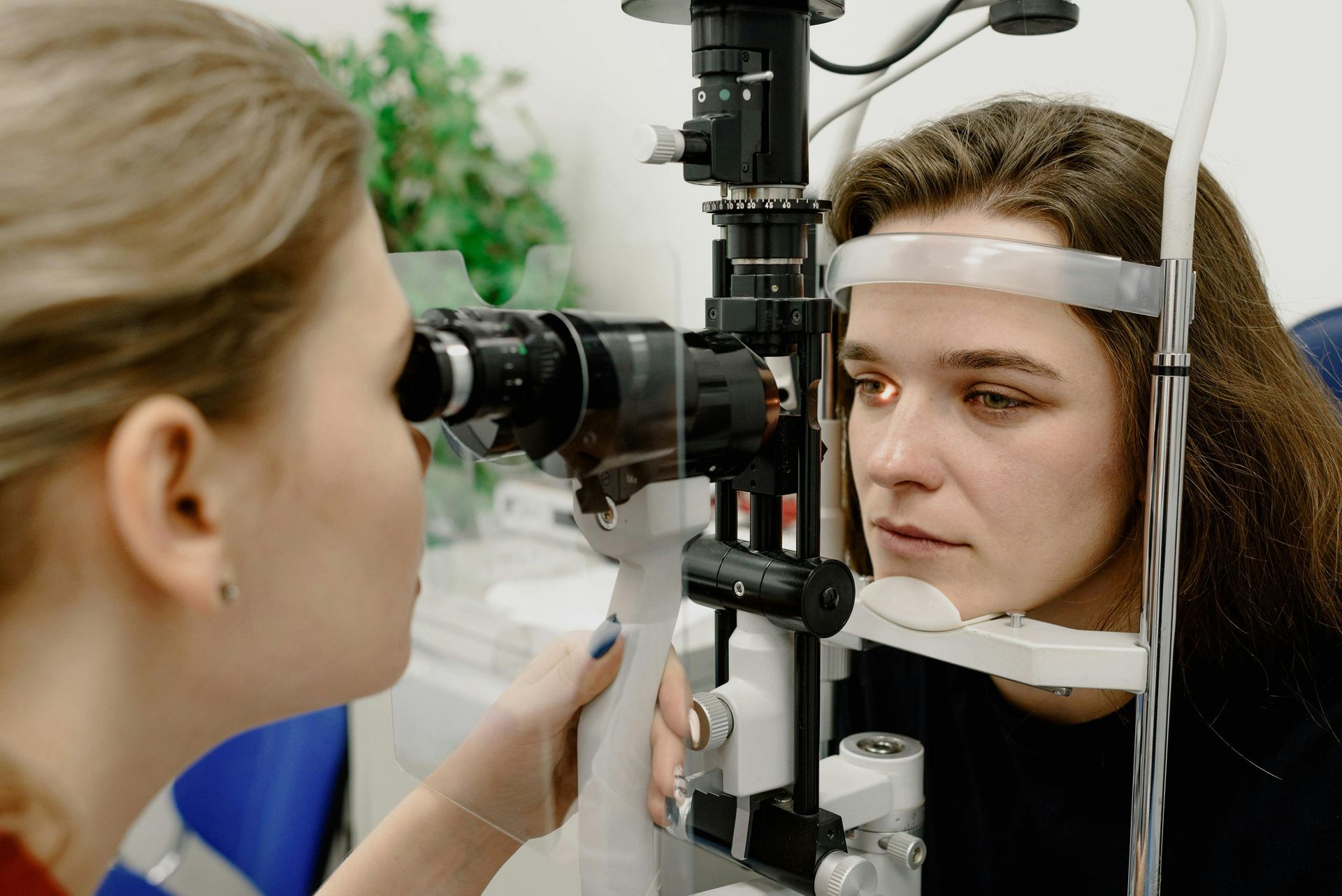
If you’re planning 2-Day LASEK in Korea, understanding the recovery timeline is just as important as understanding the surgery itself. While the procedure and first post-op check are completed within two days, healing continues for several weeks afterward.
Here’s a realistic, day-by-day guide so you know exactly what to expect.
What Is 2-Day LASEK?
2-Day LASEK means:
- Day 1: Full eye exam + surgery
- Day 2: Early post-operative check-up
You are cleared to travel after the safety check, but epithelial healing continues after you return home.
LASEK is a surface laser procedure, so recovery is slower than LASIK or SMILE. However, long-term visual outcomes are excellent.
Day 0: Surgery Day
What happens:
- The outer epithelial layer is gently loosened.
- Laser reshapes the cornea.
- A protective bandage contact lens is placed.
What you may feel:
- Mild burning or stinging
- Watery eyes
- Light sensitivity
- Blurry vision
Important:
- Rest immediately after surgery.
- Keep eyes closed as much as possible.
- Begin prescribed eye drops as directed.
Day 1: First 24 Hours
Vision:
- Still blurry
- Hazy or foggy
- Difficulty focusing
Symptoms:
- Moderate discomfort
- Foreign body sensation
- Light sensitivity
- Tearing
This is typically the most uncomfortable day.
Most patients:
- Stay indoors
- Avoid screens as much as possible
- Wear protective sunglasses if outside
Day 2: Post-Op Check (Travel Day for Many Patients)
During your follow-up:
- Doctor checks epithelial healing
- Ensures no infection or complications
- Confirms bandage lens position
Vision:
- Still blurry but slightly improving
- Functional for basic movement
If cleared, you can:
- Fly home
- Continue recovery at home
Discomfort usually starts to gradually improve after this point.
Day 3–4: Surface Healing Phase
This is when the epithelial layer regenerates.
Vision:
- Fluctuates
- May seem worse before it gets better
- Not yet sharp
Symptoms:
- Dryness
- Mild irritation
- Light sensitivity improving
The bandage contact lens is usually removed around Day 4 or 5 (depending on healing progress).
Once the lens is removed:
- Comfort improves significantly
- Vision slowly becomes clearer
Week 1: Functional Vision Returns
By the end of the first week:
- Most discomfort has resolved
- Vision becomes more stable
- You can use screens more comfortably
- Driving may be possible (depending on clarity)
However:
- Vision may still fluctuate throughout the day
- Night glare or halos are possible temporarily
Weeks 2–4: Stabilization Phase
During this period:
- Vision continues sharpening
- Fluctuations decrease
- Dryness gradually improves
- Light sensitivity normalizes
Most patients reach functional clarity suitable for daily life.
1–3 Months: Final Visual Outcome
By this stage:
- Vision stabilizes fully
- Night vision improves
- Dryness typically resolves
- Final prescription result achieved
Long-term outcomes are comparable to LASIK once healing is complete.
How Long Should You Stay in Korea?
For 2-Day LASEK patients:
Minimum stay:
- 2 days (consultation + surgery + first check)
Ideal stay:
- 3–5 days if possible for comfort
However, many international patients safely travel after Day 2 and continue healing at home with detailed instructions.
Tips for Smooth Recovery
To optimize healing:
- Use prescribed antibiotic and steroid drops strictly as directed
- Avoid rubbing your eyes
- Wear sunglasses outdoors
- Avoid swimming for at least 2 weeks
- Limit heavy exercise for 1–2 weeks
- Keep follow-up appointments (locally if needed)
Proper aftercare plays a major role in final visual quality.
Is 2-Day LASEK Worth It?
2-Day LASEK is ideal for:
- Patients with thin corneas
- Those unsuitable for LASIK or SMILE
- Individuals who want a flap-free procedure
- Budget-conscious patients
While recovery is slower than flap-based surgery, many patients choose LASEK for its safety profile and long-term stability.
Final Thoughts
The key to success with 2-Day LASEK is understanding that:
The procedure takes 2 days —
But healing takes weeks.
If you are prepared for the temporary discomfort and gradual clarity improvement, LASEK can provide excellent, long-lasting vision correction.
A proper pre-operative exam and realistic recovery expectations will ensure you’re fully confident in your decision.